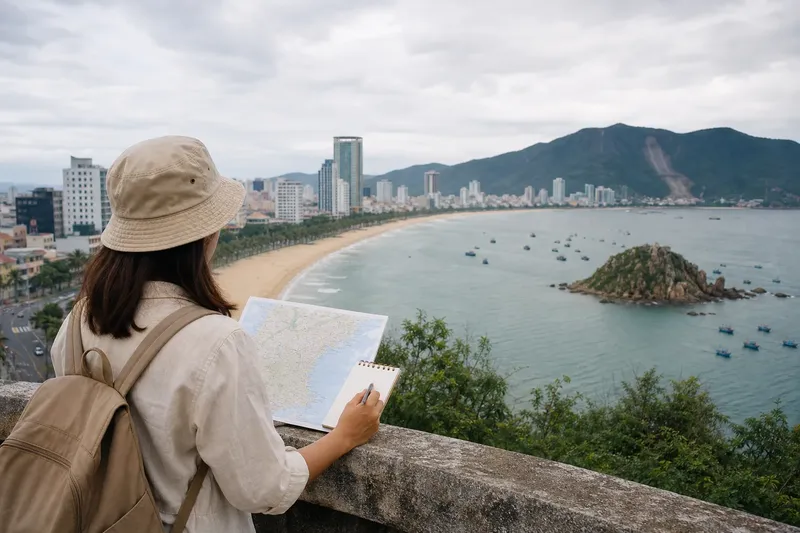
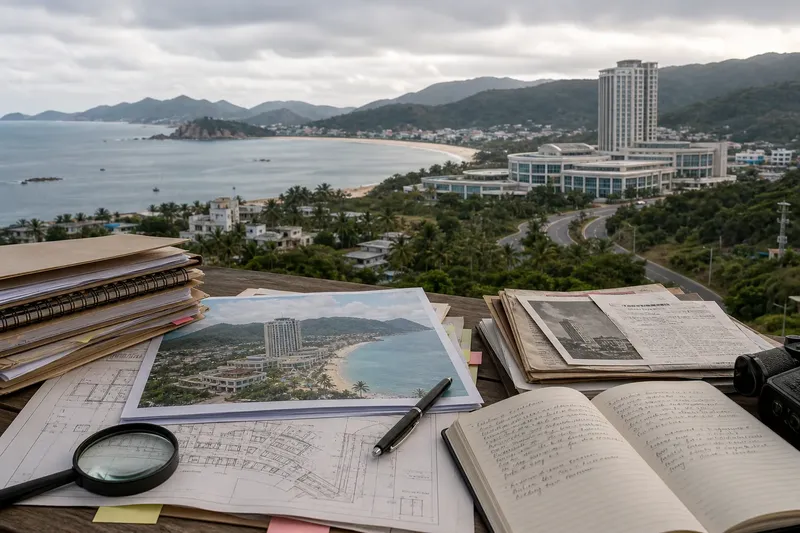
When Bình Định Becomes a Backdrop in Casino Coverage
Bình Định casino coverage can make a province feel like scenery. Learn to spot how a story’s chosen images and details shape its sense of place.
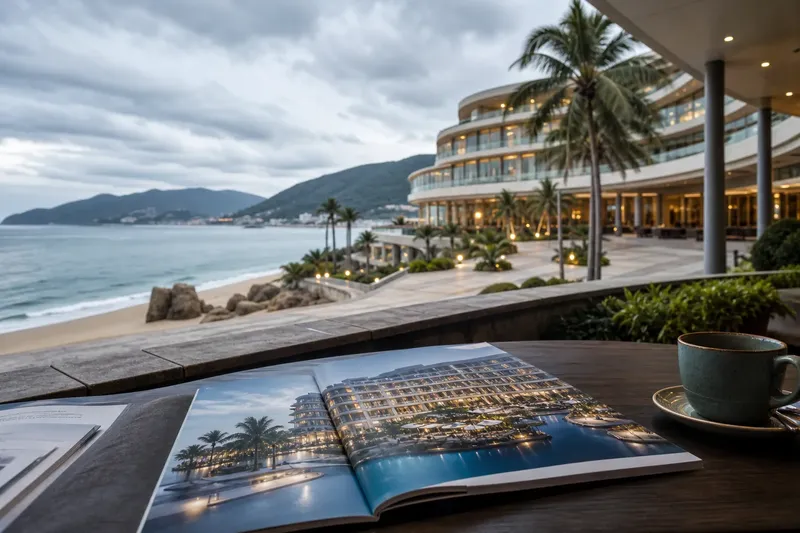
Bình Định casino coverage can make a province feel like scenery even when the story names it prominently. A resort image beside a coastal view shapes the reader’s sense of place before any local detail appears.
That framing is not automatically misleading. It is a choice about what the story asks readers to picture: a particular place with its own character, or an appealing backdrop for a wider account of leisure and investment.
What kind of place does the story create?
Place is built from more than a location label. A story’s photographs, repeated descriptions and choice of detail can present Bình Định as a lived-in province, a coastal destination, or simply the setting for a casino-related subject.
Notice which parts of the place enter the account. A resort façade and a stretch of sea create one impression; references to a named district, a local street or a public building create another. Neither set of details tells the whole story, but their selection reveals the frame.
How do images and language shape the setting?
Promotional material often centres hospitality, leisure and scenery because those elements help express how a company wants a venue or plan to be imagined. A news report may instead use a photograph to locate an announcement or decision. The same image can therefore serve different purposes in different formats.
Read captions alongside the images, and note the words that recur. “Coastal”, “destination” and “resort” steer attention towards a visitor-facing picture; descriptions of ordinary surroundings can make the province feel less like a postcard and more like a place where daily life happens.
What does a resort image leave outside the frame?
A photograph shows a selected view, not the full setting around it. If a story relies on polished architectural images, readers can recognise the intended atmosphere without assuming that the image depicts local life more broadly.
Why do captions matter?
A caption can identify what is pictured and clarify whether it is an existing venue, a rendering or an illustrative image. If it gives no such context, the image may still suggest a mood, but it leaves the status and setting open to interpretation.
How can repeated place names affect a reader?
Repeatedly naming Bình Định can make a story feel locally rooted, even when the details remain generic. Compare the name with the surrounding description: specific local references give the setting texture, while interchangeable resort language keeps it abstract.
What changes when a story includes everyday surroundings?
Details such as nearby streets, public spaces or recognisable local landmarks can make a scene feel connected to its surroundings. Their presence does not settle every question about a project, but it changes the picture the reader is asked to hold in mind.
How can you read a visual account of Bình Định?
Use the following checks to decide what kind of place the material depicts. Each one concerns representation: what is visible, what is named and what remains outside the chosen frame.
- If the image shows a resort beside a coastal view but names no nearby place, treat it as a broad destination image; if the caption identifies a specific setting, use that detail to understand the intended location.
- If the caption calls an image an illustration or rendering, read it as a proposed visual; if it identifies an existing site, read it as a depiction of a present place.
- If the account repeatedly uses words such as “destination” or “coastal”, notice that it is foregrounding a visitor-facing identity; if it includes ordinary local surroundings, consider how those details alter the picture.
- If the story names Bình Định but offers only generic resort imagery, read the province mainly as a setting; if it adds recognisable local references, read those as part of its sense of place.
- If a photograph crops out its surroundings, avoid treating the visible scene as a complete portrait; if the account shows more of the setting, use the added context to understand its framing.
- If promotional language and scenic imagery appear together, read them as a crafted presentation; if the story places them beside other kinds of local description, notice the contrast in how the province is portrayed.
What would a close reading look like?
Imagine an invented brochure for a proposed resort in Bình Định. Its opening page shows a building beside the sea, labels the image “coastal destination”, and gives no nearby place name; a later page names a local street in a separate caption.
First, treat the opening image and its caption as a broad visitor-facing portrait, not as a view of the whole province. Next, use the later caption to locate one specific detail, while keeping it distinct from the earlier image. The resulting reading is that the brochure presents the proposal through a coastal resort identity and offers one additional local reference; it does not, through those choices alone, portray the province in full.
What does a backdrop tell you?
A backdrop can tell readers what atmosphere a publisher or company wants to associate with a casino-related story. It can make the subject feel coastal, polished or oriented towards visitors without showing much of the surrounding place.
When reading Bình Định casino coverage, attend to the details that shape its picture of the province: the image selected, the caption attached and the local surroundings included or omitted. Those choices reveal how the story represents the place, even when its wider account says little about life beyond the frame.