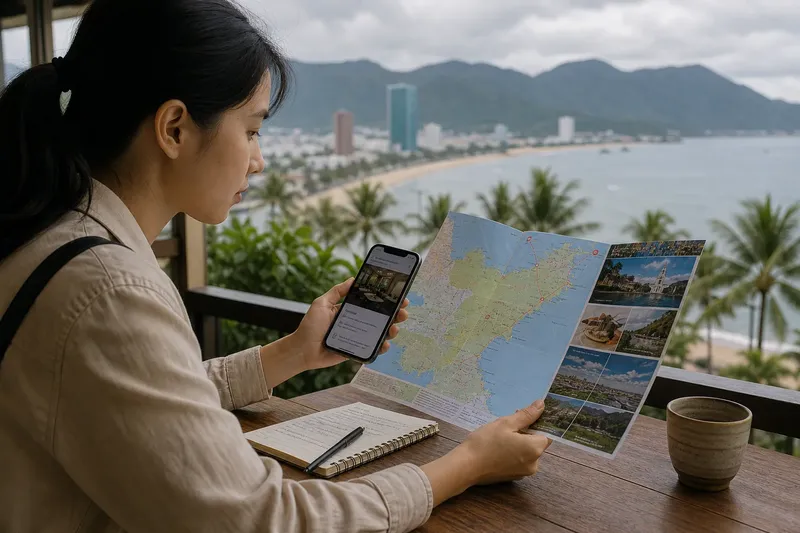
An Evening Plan with One Casino-Free Option
An evening plan with one casino-free option gives your Bình Định group a clear choice, a place to reconnect and an outing that works if interests differ.
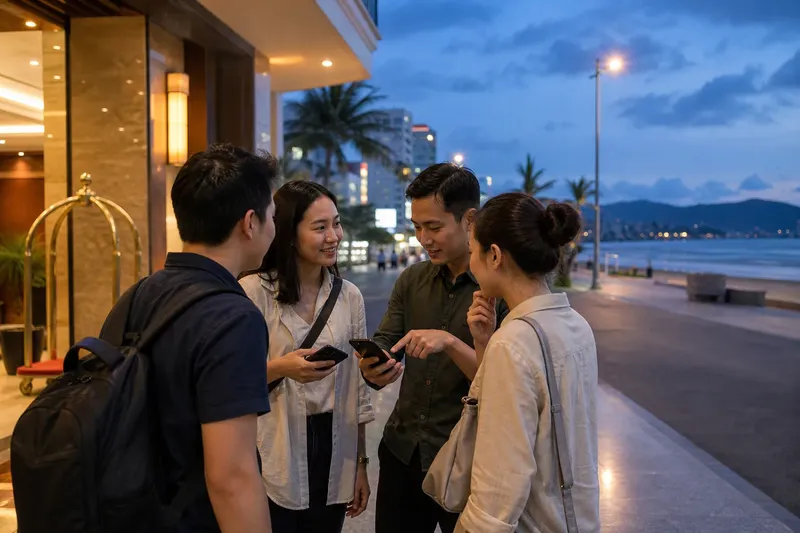
An evening plan with one casino-free option gives a group in Bình Định room to choose different activities without losing the thread of the outing. Decide where to start and how to reconnect; then a casino visit, if relevant and accessible, can remain one option rather than the evening’s sole destination.
Why include a casino-free option?
People can want different things from the same evening. One person may be curious about a casino setting, while another would rather eat, walk in a suitable public area or spend time somewhere quiet. A genuine alternative lets both choices belong to the plan.
It also makes a change of mood easier to handle. If someone is tired, the group arrives later than expected or a venue does not suit them, they can change direction without treating the evening as a failure.
How should you choose the alternative?
Pick an activity that sounds worthwhile on its own, not a waiting room for anyone who declines the main plan. That might be a meal at a place the group already knows, a café, a suitable public walk or a quiet evening at the accommodation. Choose according to where you are, what the group enjoys and what is actually available.
Compare the effort involved as well as the activities. A restaurant that requires a separate journey may not be a simple alternative for someone who wants a quiet evening. The casino-related plan could be an optional visit followed by a shared meal; the other route could be the meal itself and a relaxed stop afterwards.
What should the plan settle in advance?
Keep the arrangement short and usable. Settle the choices that would otherwise leave people guessing, without trying to schedule every part of the night.
- Starting point: Name a recognisable place, such as the entrance to your hotel. If everyone can identify it, use it as the first meeting spot; if not, choose a clearer landmark before leaving.
- Decision point: Choose a place where the group will decide which activity to take. If everyone can comfortably pause there, use it; if not, make the decision before setting out.
- Alternative activity: Name a specific meal, café or suitable public place. If it fits the group’s interests and can be reached comfortably, keep it as the alternative; if not, choose a simpler option near your accommodation.
- Reconnection method: Agree to use a group chat and identify a fallback meeting place. If everyone can access the chat, use it for location updates; if someone cannot, set a time to return to the fallback spot.
- Return arrangements: Each person should know how they expect to get back. If that plan works for their destination and departure time, keep it; if not, arrange a different option before separating.
- Spending boundaries: Agree that each person pays for their own choices unless the group decides otherwise. If the plan fits someone’s intended spending, they can join; if it does not, choose a lower-cost activity without pressure.
How can you keep the choice comfortable?
Offer the alternatives in neutral language. “Would you rather visit the venue or have dinner elsewhere?” leaves room for a preference; “Are you sitting this out?” can make a simple choice sound like a rejection of the group.
Let people change their minds without requiring the whole group to follow. Someone who wants to leave early can do so, and nobody needs to justify choosing a quieter activity. Make sure each person’s return plan does not depend on another visitor staying longer than they wish.
For casinos and other venues, check applicable local rules and the venue’s own information about entry conditions, identification, age limits and opening times before travelling. Treat the same practical details as part of choosing an alternative, rather than assuming a restaurant or public attraction will be open or suitable.
What do visitors ask about an evening plan with one casino-free option?
How do you split up without losing track of one another?
Before separating, agree on a meeting place and a way to send a location update. If someone cannot use a phone, set a fallback meeting point and a time to return there.
What makes a good casino-free alternative?
Choose an activity the person would enjoy even without the casino visit, such as a meal, a suitable public walk or a quiet evening at the accommodation. If it requires a separate journey, factor that into the choice rather than calling it effortless.
Should everyone use the same transport plan?
No: separate destinations and departure times may call for different arrangements. Each person should know how they intend to return, without making another visitor responsible for a journey they have not agreed to provide.
What if someone does not want to explain their choice?
Accept the choice without asking for a reason. A simple “I’ll meet you afterwards” is enough, followed by the group’s agreed plan for communication or reconnection.
How might the plan work from start to finish?
Imagine a group staying near a hotel in Bình Định, with these invented details: four friends, a lobby meeting point, a restaurant they have already chosen and a group chat everyone can use. Before leaving, they check the relevant venue information and agree that two friends may visit the venue while the other two go straight to dinner; anyone who wants a quieter evening can stay at the hotel.
At the lobby, the group confirms who is taking each option and shares the restaurant location in the chat. The friends visiting the venue decide later whether to join the others for a meal; meanwhile, everyone keeps their own return arrangement. The resulting trade-off is clear: they may not spend the whole evening together, but nobody has to join an unwanted activity or rely on another person for a lift.
A good evening plan with one casino-free option does not need a packed itinerary. Save the meeting point and return details somewhere each person can access; if plans change, that small preparation helps the group make a new choice without losing track of how everyone gets home.